
Forensic Psychology \ 1-1

Forensic psychologists are experts whose expertise is consulted in the judicial system. Forensic psychology, at the intersection of psychology and law, aims to produce scientific data in the solution of psycho-legal problems, transform the data into general rules, inform the legal system within the framework of the developed theories, and provide support to policy developers in order to design legal processes in a way that protects the life of the individual and society. In this context, forensic psychologists consider themselves responsible for presenting their expert opinion within the framework of cooperation with legal authorities in practice.
The "Forensic Psychology" book, the first of the three-book series; It consists of Forensic Psychology, Crime and Psychology, Criminal Profile, Ethics in Forensic Psychology. The historical journey of forensic psychology as a science, forensic psychology practices in the world and in Turkey, the relationship of forensic psychology with other disciplines, crime and crime types, the relationship between crime and psychopathology, criminal profiling, crime profile of suicide bombers, ethical principles for forensic psychologists and forensic psychology. Different dimensions of forensic psychology have been highlighted by including many topics such as the duties and responsibilities of psychologists. The topics are conveyed interactively and with rich case examples to guide forensic psychologists, psychologists, experts and practitioners interested in the forensic field.
The "Forensic Psychology" book, the first of the three-book series; It consists of Forensic Psychology, Crime and Psychology, Criminal Profile, Ethics in Forensic Psychology. The historical journey of forensic psychology as a science, forensic psychology practices in the world and in Turkey, the relationship of forensic psychology with other disciplines, crime and crime types, the relationship between crime and psychopathology, criminal profiling, crime profile of suicide bombers, ethical principles for forensic psychologists and forensic psychology. Different dimensions of forensic psychology have been highlighted by including many topics such as the duties and responsibilities of psychologists. The topics are conveyed interactively and with rich case examples to guide forensic psychologists, psychologists, experts and practitioners interested in the forensic field.

The science of psychology reveals the reflections of the theories it has developed in the field of practice, especially in the fields of clinical and applied psychology, through observation, interviews and psychological evaluations. It would be correct to say that these application tools are even more important in forensic-psychological processes. In this book; the similar and different aspects of forensic psychology practices with the practices in other fields of psychology are discussed, the dimensions in observation, interview and evaluation in forensic psychology are detailed, the minimum skills that a forensic psychologist should have and the opportunities to develop these skills, the challenging ways of forensic psychological assessment, assessment-specific skills and case studies. explained with examples.
This book is the second of the three series in the field of forensic psychology. In the book "Observation, Interview and Psychological Evaluation in Forensic Psychology", about criminals, victims, convicts and other parties in forensic processes, they are examined separately as "Observation and Interview in Forensic Processes" and "Psychological Evaluation in Forensic Processes". The topics are conveyed interactively and with rich case examples to guide forensic psychologists, psychologists, experts and practitioners interested in the forensic field.
This book is the second of the three series in the field of forensic psychology. In the book "Observation, Interview and Psychological Evaluation in Forensic Psychology", about criminals, victims, convicts and other parties in forensic processes, they are examined separately as "Observation and Interview in Forensic Processes" and "Psychological Evaluation in Forensic Processes". The topics are conveyed interactively and with rich case examples to guide forensic psychologists, psychologists, experts and practitioners interested in the forensic field.

The law, which is the general truth, has to benefit from the light of psychology in the investigation and prosecution of the crime and reintegrating the criminal to the society. Forensic psychology carries out both scientific and applied studies in the context of providing information to the field of law and helping the law in determining the truth and reintegrating the criminal into society. Criminals, victims, witnesses, convicts and other parties in the legal system are in the field of forensic psychology. We cannot help but think about what a wealth of work forensic psychology has in the processes of investigation, prosecution, approval and withdrawal of crime. This richness reminds us that psycho-legal expertise also has its own dynamics.
In the third of these book series, "Psychological Treatment and Rehabilitation in Forensic Psychology", since adults and children who cross paths with the legal system have different characteristics from each other, psychologists, forensic students are given in the sections "Psychological Treatment and Rehabilitation of Adults in Judicial Processes" and "Psychological Treatment and Rehabilitation of Children in Judicial Processes". The topics are conveyed interactively and with rich case examples to guide psychologists, forensic experts and practitioners. In addition to psychological treatment and rehabilitation with adults and children, the book also includes the "Interesting Cases in Forensic Psychology" section to enable us to think about the differences in cases seen in the forensic field.
In the third of these book series, "Psychological Treatment and Rehabilitation in Forensic Psychology", since adults and children who cross paths with the legal system have different characteristics from each other, psychologists, forensic students are given in the sections "Psychological Treatment and Rehabilitation of Adults in Judicial Processes" and "Psychological Treatment and Rehabilitation of Children in Judicial Processes". The topics are conveyed interactively and with rich case examples to guide psychologists, forensic experts and practitioners. In addition to psychological treatment and rehabilitation with adults and children, the book also includes the "Interesting Cases in Forensic Psychology" section to enable us to think about the differences in cases seen in the forensic field.
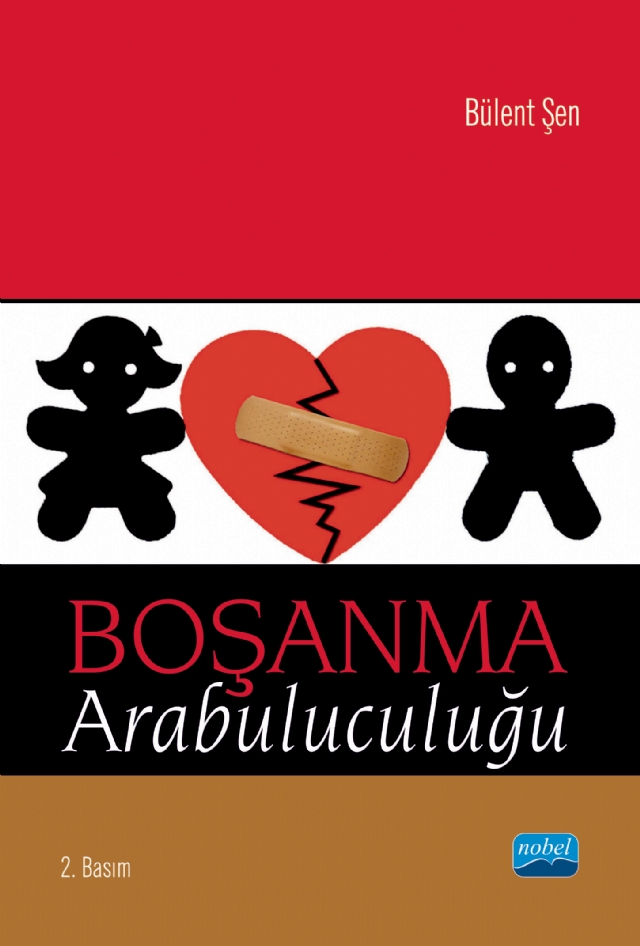
Couples who love each other, dream of growing old together, and after having a child, cannot solve their problems after many unwanted experiences, and perhaps decide to divorce after receiving family counseling; While experiencing the negative processes of divorce, they do not harm each other and their children more in cases where the conditions are made more difficult in the court environment, divorce can be more economical, in a shorter time, with fairer conditions for both parties, both parties and their families can remain friends after the divorce, children can always be It is thought that completing the divorce process by making joint decisions under the supervision of an impartial third person, where they can see both parents regularly and receive support, will contribute positively to both couples and children and society.
In the book, both domestic and international literature and practices have been tried to be presented to the readers with an impartial eye, and they will work on divorce mediation. to academics; to students and practitioners of law, social work, psychology, psychological counseling, sociology, child development, preschool education, family and consumer sciences; to family counselors; to family court judges and experts; To the members of the 2nd Civil Chamber of the Supreme Court; to experts who will conduct legal studies on this subject; it has been tried to give basic information to the managers of the relevant institutions and organizations, to the readers who are curious about the issue of divorce mediation and to the couples who want to get divorced by agreement.
At the end of the book; Family Counselors who have received 450 hours of training in the guidelines issued by the Ministry of Family and Social Policies and have a Family Counseling certificate, and the desire of Lawyers who have received mediation training within the scope of the Mediation Law, to work together and to carry out interdisciplinary and holistic studies on Divorce Mediation, which can set an example for other countries, has been expressed.
In the book, both domestic and international literature and practices have been tried to be presented to the readers with an impartial eye, and they will work on divorce mediation. to academics; to students and practitioners of law, social work, psychology, psychological counseling, sociology, child development, preschool education, family and consumer sciences; to family counselors; to family court judges and experts; To the members of the 2nd Civil Chamber of the Supreme Court; to experts who will conduct legal studies on this subject; it has been tried to give basic information to the managers of the relevant institutions and organizations, to the readers who are curious about the issue of divorce mediation and to the couples who want to get divorced by agreement.
At the end of the book; Family Counselors who have received 450 hours of training in the guidelines issued by the Ministry of Family and Social Policies and have a Family Counseling certificate, and the desire of Lawyers who have received mediation training within the scope of the Mediation Law, to work together and to carry out interdisciplinary and holistic studies on Divorce Mediation, which can set an example for other countries, has been expressed.
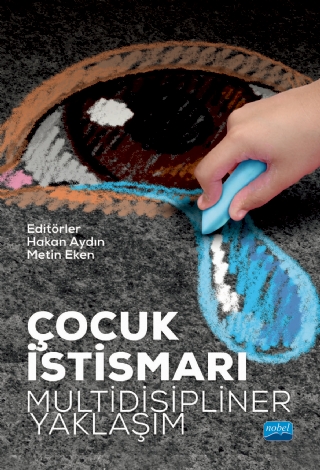
Child abuse is a subject that needs to be studied meticulously in order to be handled with a multidisciplinary approach and to protect the best interests of children. Undoubtedly, the most important contribution to the solution efforts regarding the problem of child abuse will be the attempts to increase scientific and managerial knowledge about this field. The fact that these initiatives include a multidisciplinary approach is of strategic importance considering the extremely limited production in this regard and has the potential to strengthen the search for solutions. Depending on the stated purpose and importance, the ProChild Project has determined as one of its main outputs the production of an edited book, which deals with the problem of child abuse with a multidisciplinary approach. This book; It deals with the problem of child abuse with its knowledge of medicine, education, law and communication, focuses on the problem of representation through the news of child abuse published in internet newspapers, and opens the digital components of child abuse to discussion in detail.

What was childhood trauma? Could the traumas experienced in the early period continue their effects throughout life? Well, what could a child have experienced that would cause his life to lose all its colors?
In this book, which aims to shed light on the bitter darkness of all these questions, you will encounter the stories of eight little children. You will witness how some people lost all their colors in their safe harbor, some on their birthday, which they waited for a whole year, in the darkness of a rough night that some never expected, and how some people lost all their colors in a hug they embraced with love and trust. Then how those disappearing colors blend into each other and turn into darkness...
Well, is it possible to strike a match into this deep darkness? Can this darkness be lit up a little bit? Is there a time to illuminate these deep darkness in which we are lost? But what about a way to regain all lost colors?
Another purpose of this book, while answering all these questions, is to introduce the reader to psychotherapy interventions that can be applied in the early trauma process, and to raise awareness of how these interventions contribute to the trauma process, and to convey the process of reprocessing each lost color into the child's psyche.
In this book, which aims to shed light on the bitter darkness of all these questions, you will encounter the stories of eight little children. You will witness how some people lost all their colors in their safe harbor, some on their birthday, which they waited for a whole year, in the darkness of a rough night that some never expected, and how some people lost all their colors in a hug they embraced with love and trust. Then how those disappearing colors blend into each other and turn into darkness...
Well, is it possible to strike a match into this deep darkness? Can this darkness be lit up a little bit? Is there a time to illuminate these deep darkness in which we are lost? But what about a way to regain all lost colors?
Another purpose of this book, while answering all these questions, is to introduce the reader to psychotherapy interventions that can be applied in the early trauma process, and to raise awareness of how these interventions contribute to the trauma process, and to convey the process of reprocessing each lost color into the child's psyche.
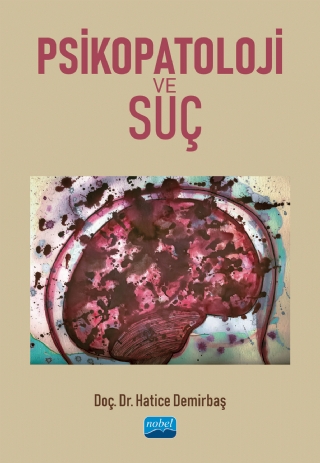
Psychopathology and Crime is a book that will contribute to the field of forensic psychology arising from the relationship established between law and psychology in order to apply the knowledge and principles of general psychology to legal issues and problems. Although forensic psychology is a rapidly developing field in recent years, the number of books written in this field is limited. Psychopathology and Crime is one of the resources that will remove this limitation.
In the book, the relationship between mental disorders and crime; it has been conveyed in different dimensions as a guide to forensic psychologists, psychiatrists, experts working in the psychosocial services in prisons and lawmakers, who are experts in the judicial system. Various mental disorders; schizophrenia, mood disorders, alcohol use disorders (alcohol/substance addiction), mental retardation, personality disorders, dementia, epilepsy and old age are discussed in the context of crime.
This book; it is a new Turkish resource that can be consulted whenever there are topics such as the prevalence of mental disorders in criminals, their defining features, the types of crimes they have committed, their criminal responsibilities, treatments, and the precautions to be taken.
In the book, the relationship between mental disorders and crime; it has been conveyed in different dimensions as a guide to forensic psychologists, psychiatrists, experts working in the psychosocial services in prisons and lawmakers, who are experts in the judicial system. Various mental disorders; schizophrenia, mood disorders, alcohol use disorders (alcohol/substance addiction), mental retardation, personality disorders, dementia, epilepsy and old age are discussed in the context of crime.
This book; it is a new Turkish resource that can be consulted whenever there are topics such as the prevalence of mental disorders in criminals, their defining features, the types of crimes they have committed, their criminal responsibilities, treatments, and the precautions to be taken.